
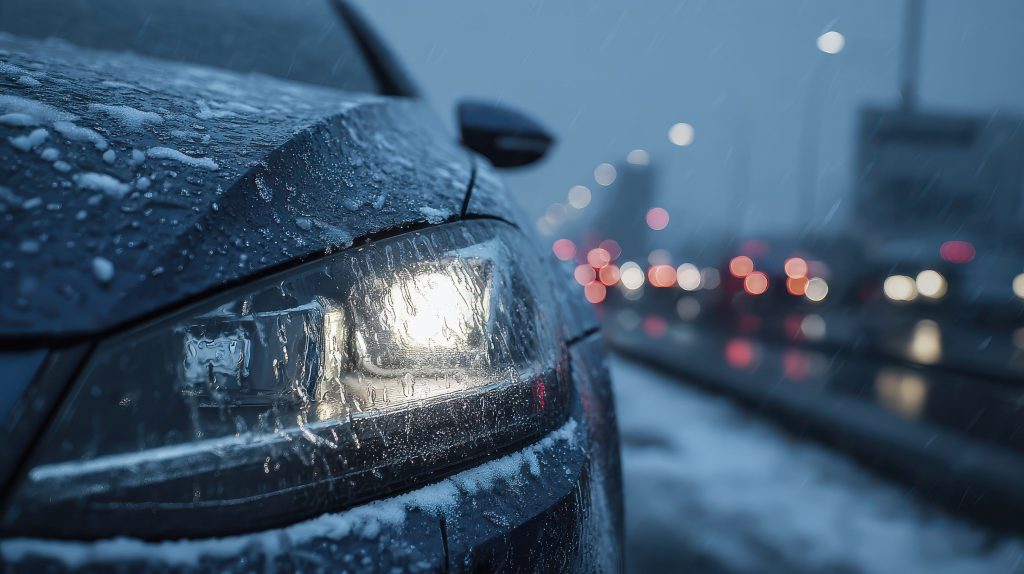
Cold weather places significant strain on modern vehicles, particularly on electronic systems. For drivers across Swansea and South Wales, winter commonly brings warning lights, starting issues, immobiliser faults, and unexplained electrical behaviour. These are not random faults. They are often the direct result of how low temperatures affect batteries. In turn, the ECUs, sensors, and data.
Modern vehicles rely heavily on electronics to manage everything from starting and emissions to security and driver assistance systems. When temperatures drop, electrical resistance increases, battery efficiency falls, and control units are forced to work harder under less stable conditions. This is why many drivers experience car won’t start Swansea issues during winter, even when the vehicle was fault free weeks earlier.
In this guide, we explain how car electronics in winter are affected, what warning signs to watch for, and when professional diagnostics are essential. This article is written from real workshop experience, not theory, and applies directly to Welsh driving conditions.
Why Does Cold Weather Affect Car Electronics in Winter?
Cold temperatures slow chemical reactions, reduce battery output, and increase electrical load. Modern vehicles depend on stable voltage and clean data signals. When either becomes unstable, systems begin to fail.
Key winter challenges include:
- Reduced battery capacity and slower current delivery
- Increased electrical demand from heaters, lights, defrosters and locks
- Higher resistance and more current demand in wiring and connectors
- Condensation forming inside control units during heat cycles
Even small voltage drops can disrupt communication between modules, especially in vehicles with advanced immobilisers, keyless entry, or multiple ECUs.
How Cold Weather Affects Your Car Battery & Electrical Supply
Why Batteries Struggle in Cold Conditions
Your battery is the foundation of all vehicle electronics. In winter, battery chemistry slows, reducing available power by up to 50 percent in freezing conditions.
Common winter battery related issues include:
- Slow cranking or complete failure to start
- Increased parasitic drain becoming noticeable
- Voltage drops triggering fault codes
- Immobiliser and ECU synchronisation failures
- Locks failing to disengage due to the force needed to break the ice
Many ECU issues in cold conditions are actually voltage related rather than hardware faults. This is why warning lights and strange faults can often disappear once the engine is running, only to return the next cold morning.Your No Claims Bonus can be preserved if dash cam footage clearly shows the other driver was at fault, preventing unjust premium hikes.
How Cold Affects ECUs & Control Modules
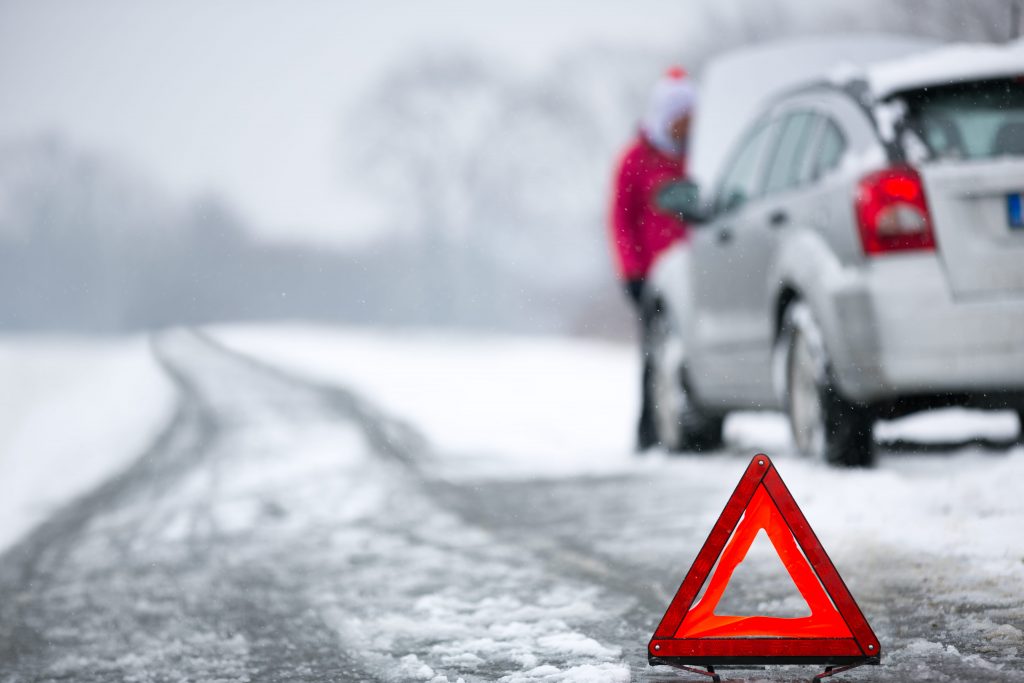
Why ECU Issues in Cold Are More Common Than You Think
Engine Control Units and body control modules rely on stable voltage and consistent data signals. Cold weather introduces instability in both.
Cold related ECU problems include:
- Corrupted data during low voltage starts
- Delayed sensor readings due to increased resistance and demand
- Communication errors between modules
- Condensation forming inside ECU housings
When a cold engine is started and rapidly heated, condensation can form internally. Over time, this moisture leads to corrosion, short circuits, data corruption, or intermittent faults that are difficult to trace without specialist a diagnostic process.
This is why generic code readers often fail to identify winter electrical faults accurately.
Sensors, Wiring & CAN Data in Cold Conditions
How Cold Weather Disrupts Sensor Accuracy
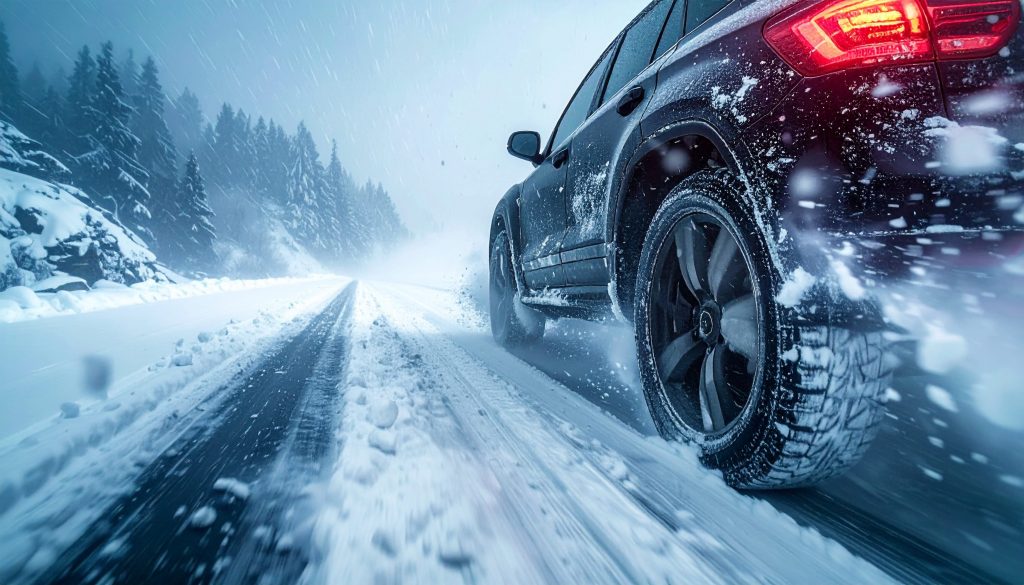
Sensors depend on precise electrical resistance and battery load. Cold temperatures alter resistance values, which can cause incorrect readings.
Common winter sensor issues include:
- ABS and traction control warnings
- Emissions and engine management faults
- Airbag and safety system alerts
- Driver assistance system errors
- Batteryand charging warning lights
- Immobiliser lights
Wiring insulation can also become brittle in extreme cold, increasing the risk of microfractures or intermittent connections. These issues often present as faults that disappear once the vehicle warms up. Ice forming and melting around the vehicle can also have a critical effect.
Immobilisers & Security Systems in Winter
Why Immobiliser Faults Increase in Cold Weather
Immobiliser systems rely on precise communication between keys, ECUs, and body modules. Cold weather exposes weaknesses in these systems.
Typical winter immobiliser problems include:
- Key recognition failures
- Delayed authorisation
- ECU synchronisation errors
- Flat key batteries causing intermittent faults
These issues are common causes of car won’t start Swansea reports during winter mornings.
For high risk vehicles, additional protection such as a Ghost Immobiliser remains effective year round because it does not rely on RF signals.
What About EVs & Hybrid Vehicles?
How Cold Weather Impacts Electric Vehicle Electronics
Electric vehicles experience unique challenges in cold weather:
- Battery efficiency drops significantly
- Charging speeds slow until batteries warm
- Regenerative braking may be reduced
- Cabin heating increases energy demand
- Battery driving range seriously reduced.
EV range reductions of 20 to 30 percent are common during winter. Preconditioning while plugged in is one of the most effective ways to reduce this impact.
Practical Steps Swansea Drivers Can Take
How to Protect Car Electronics in Winter
You cannot change the weather, but you can reduce its impact.
Recommended actions:
- Replace ageing batteries before winter
- Avoid repeated short journeys in cold conditions
- Use seat and steering wheel heaters instead of full cabin heat
- Keep key fobs and electronic devices warm
- Address warning lights early
- Reduce any cabin leaks and ensure a tight seal. As the engine bay.
- Indoor vehicle storage like a garage.
If a warning light appears only in cold conditions, this is a strong indicator of voltage or data instability.
The Role of Professional Diagnostics in Winter
Why Winter Electrical Faults Need Specialist Diagnostics
Winter electrical faults are rarely simple. Reading fault codes alone is not enough.
At Lehane Autos, winter diagnostics involve:
- Battery and charging system testing
- Live data analysis
- Voltage stability testing under cold load
- ECU communication checks
- Immobiliser and security validation
This approach allows accurate fault identification rather than unnecessary parts replacement.
Dash Cams, Trackers & Cold Weather Reliability
Do Dash Cams & Trackers Work in Cold Conditions?
High-quality devices such as BlackVue dash cams and insurance-approved trackers are designed for year-round operation, but installation quality matters.
Poor wiring or non-fused installations often fail in winter due to voltage drop or surge issues.
Also, consider a poorly sealed cabin allowing moisture to build, which can create condensation on the lens, affecting lens quality.
Related reading:
When Should You Book Diagnostics?
Warning Signs You Should Not Ignore
Book professional diagnostics if you experience:
- Repeated cold start issues
- Intermittent warning lights
- Immobiliser faults in low temperatures
- Unexplained electrical behaviour
- Battery replacements that do not solve the issue
These symptoms rarely resolve on their own.
Book Winter Diagnostics in Swansea Today
If your vehicle is showing warning lights, struggling to start, or behaving differently in cold weather, do not wait for a breakdown.
Lehane Autos provides expert winter diagnostics for car electronics in Swansea, backed by over 20 years of specialist experience.
Book diagnostics early and avoid costly repairs later.
Call 01792 389549 or 07468 513302 or get a free quote now.